
EAN-13 Barcode Information
The EAN-13 (European Article Number) is the most widely used retail barcode globally, found on almost every consumer product in India and internationally.
What is an EAN-13 barcode?
A retail barcode is a string of numbers which has never been used on a product in a shop before. The utility of this system is it allows product information like price, stock and description to be quickly recalled at the point of sale without the risk of two different products sharing the same number.
Most retail stores require products to have high quality barcodes printed or attached to all incoming goods, as modern checkouts rely on barcodes to serve customers as quickly as possible.
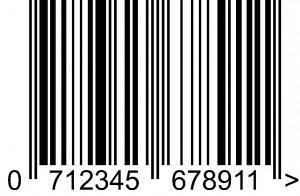
What are EAN-13 barcodes used for?
The EAN-13 is used as a product identifier in retail environments. Having product information available by simply scanning a barcode is invaluable to retailers for:
- Receiving and tracking stock
- Reordering low stock levels
- Quickly accessing product details for customers
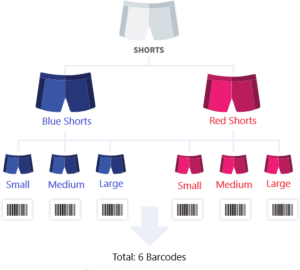
The Variant Rule: Every unique product needs its own barcode. For example, mint and watermelon gum made by the same company would each use different barcodes. However, one barcode is enough to sell an unlimited number of the specific gum type it is assigned to.
How are EAN-13 barcodes kept unique?
The system is only effective if numbers are regulated. This is done by carefully controlling issuance so each number is assigned only once. You can obtain genuine barcodes via:
GS1 Membership: Renting blocks of numbers for a yearly fee.
Legitimate Resellers: Buying individual numbers from sources like Barcodes India. These are GS1-origin codes that are unique and have never been assigned to a product before.
History
Developed by the UCC in the USA during the early 1970s, the first retail barcode was scanned in 1974 in Ohio on a pack of chewing gum. It is now the worldwide standard for efficiency.

Differences Between UPC and EAN-13
The most obvious difference is length: UPC-A is 12 digits, while EAN-13 is 13 digits.
While UPC-A is favored in North America and EAN-13 in the rest of the world, most modern scanners can process either. At Barcodes India, we supply barcodes in both formats by simply adding or removing the leading 0.
Symbology of the EAN Code
The 5-Step Check Digit Calculation
The last digit corrects for errors in scanning. Here is how it's calculated:
- From the right (excluding check digit), add up every alternate digit.
- Multiply that result by 3.
- Add up all the remaining digits.
- Add the results of Step 2 and Step 3 together.
- The check digit is the smallest number needed to make that sum a multiple of 10.

EAN-13 Encoding
The black bars of the barcode encode the numbers represented underneath in a format that can be read by a digital scanner. Each number is represented by two black bars and two empty white spaces. The width of the bars and spaces is what differentiates the digits when the barcode is scanned. There are three different encoding schemes (different bar combinations for each digit 0-9), known as L, G and R. All EAN barcodes begin with an L encoded digit and end with an R encoded digit, which means that scanners can determine the beginning and end of a barcode and thus scan it upside down without issues.

Advantages of EAN-13 Barcodes
Faster Checkouts
Efficiently access pricing to reduce customer wait times.
Reduced Human Error
Eliminate mistakes caused by manual data entry.
Instant Stock Taking
Track inventory with a single scan instead of manual counting.
Supply Chain Tracking
Easily monitor goods from manufacturer to the retail shelf.
Retail Accessibility
Required by most large shops to stock your products.
Operational Simplicity
Reduces the amount of employee training required.